
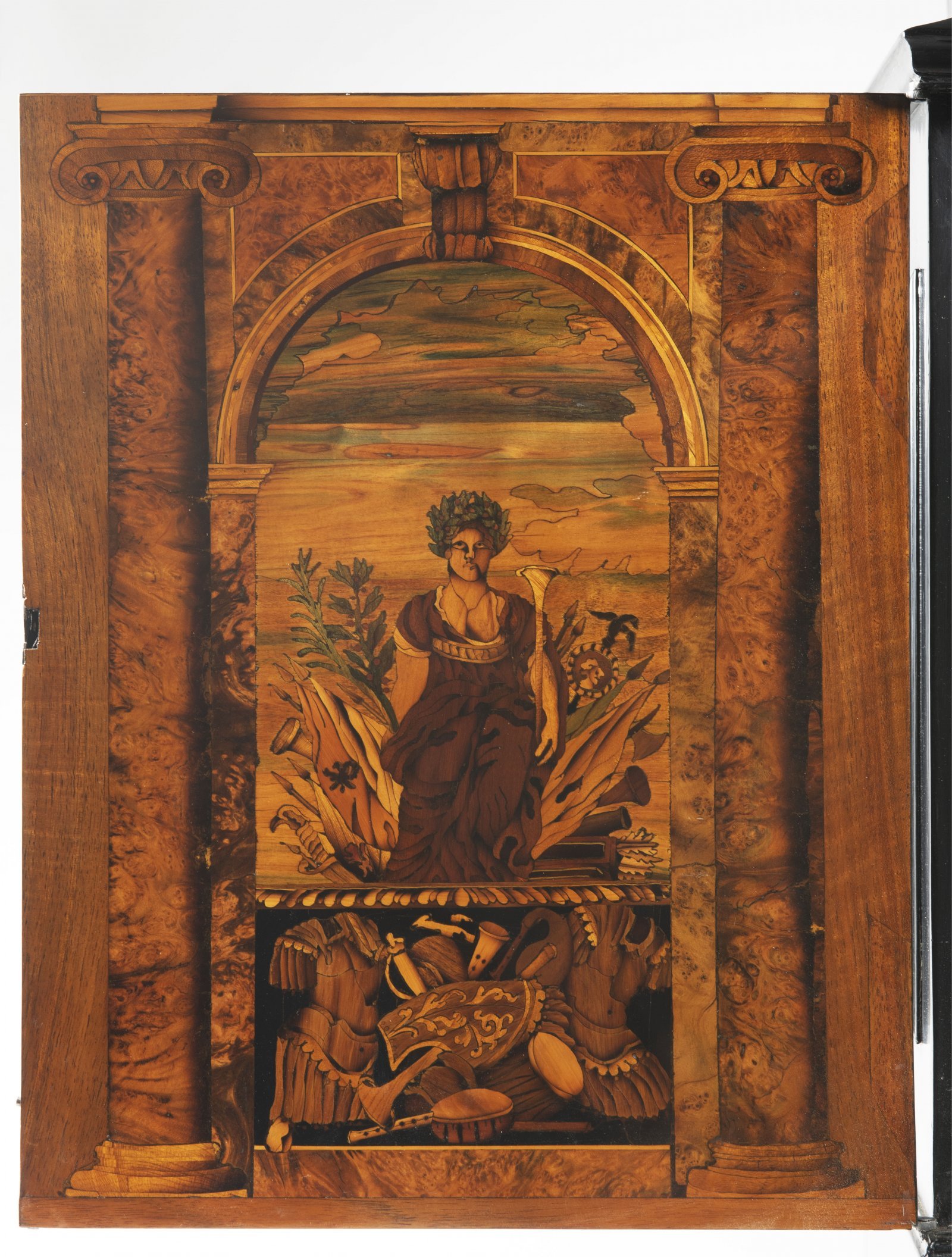


75 000 CZK
| 3 125 EUR
Lot 07
MANNERIST CABINET
an der Wende vom 16. auf das 17. Jahrhundert
67 x 62 x 34 cm (h x b x t)
Rufpreis
Erzielter Preis
75 000 CZK
| 3 125 EUR
| 3 125 EUR
preis ohne Aufpreis
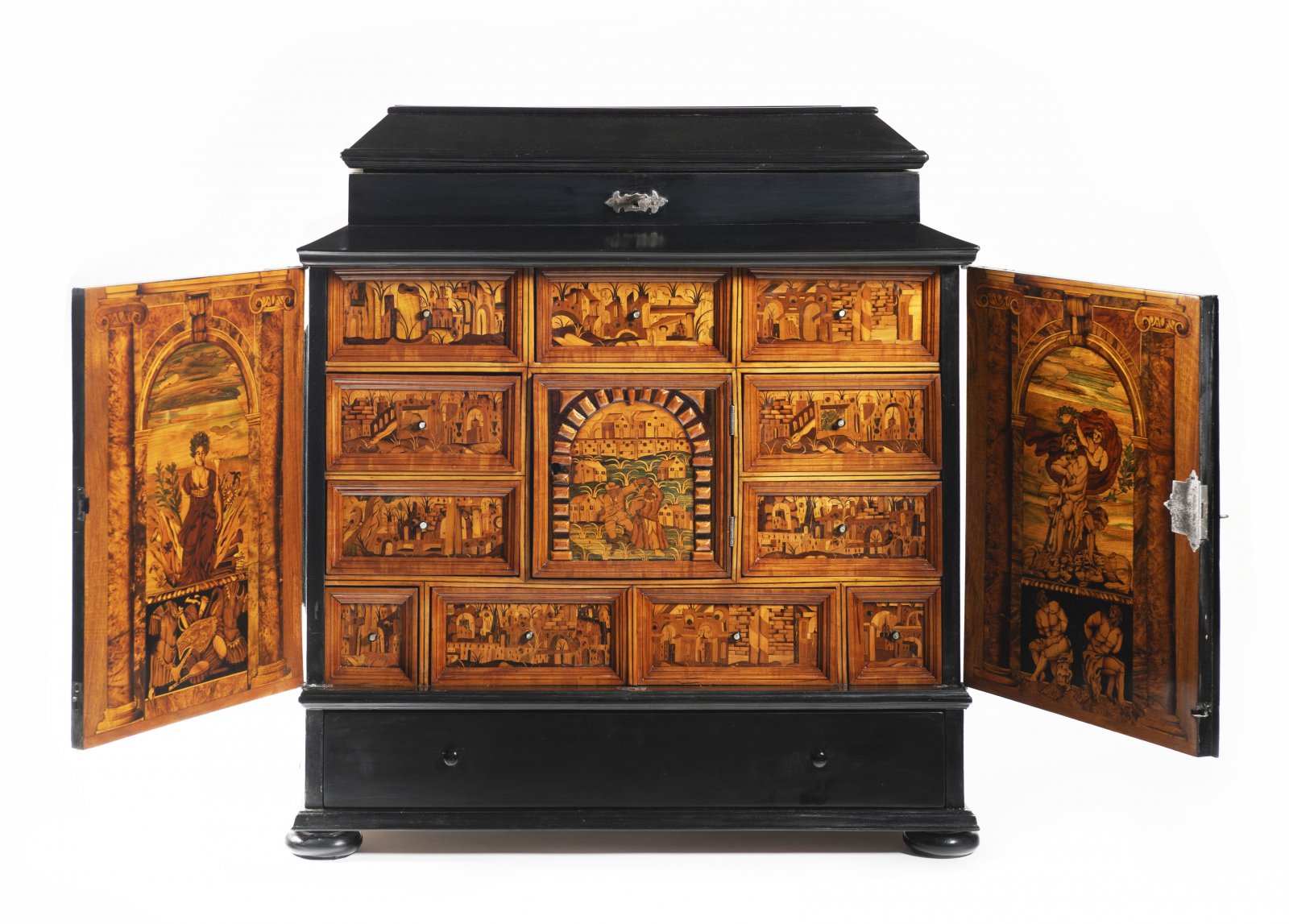
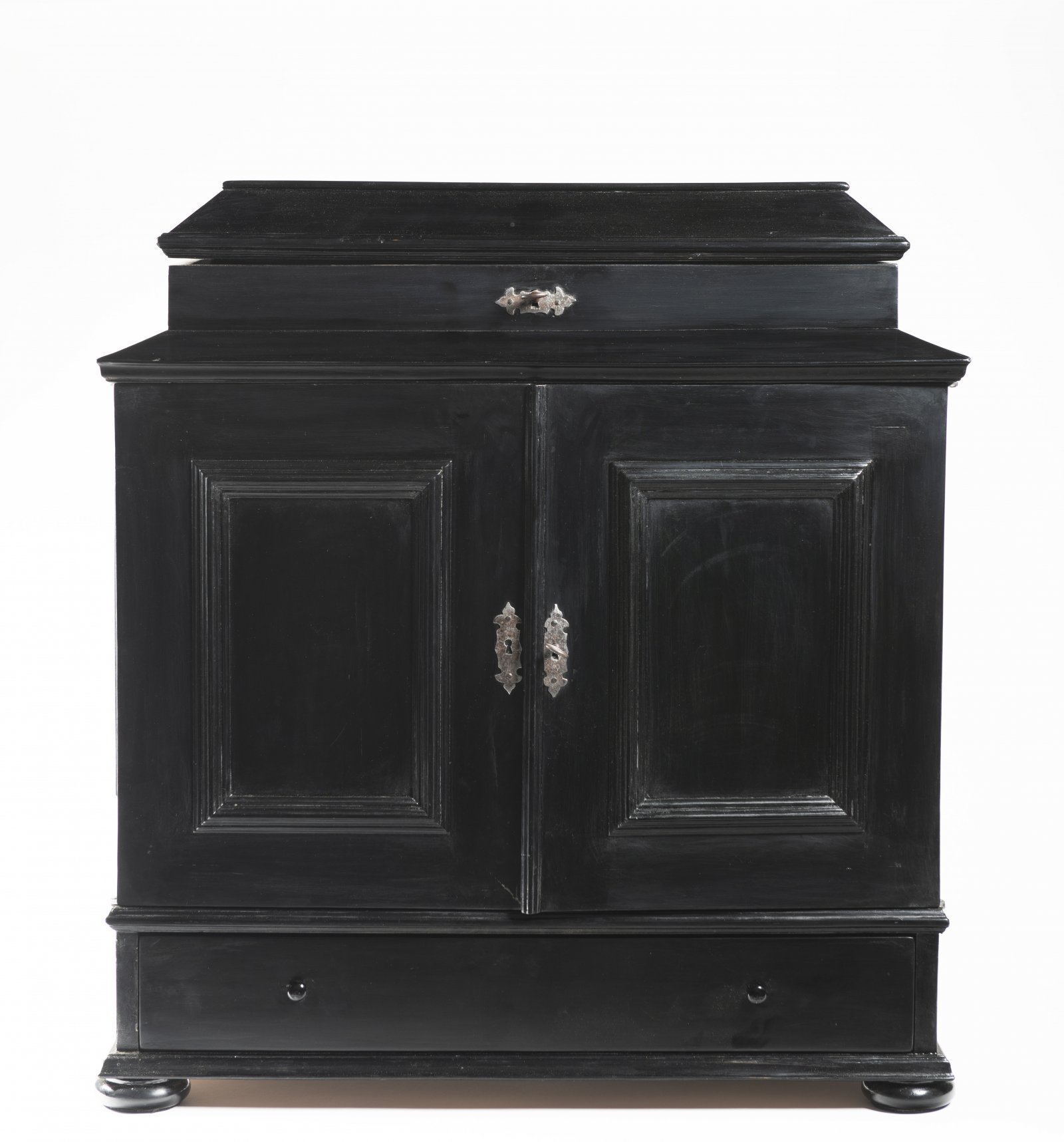
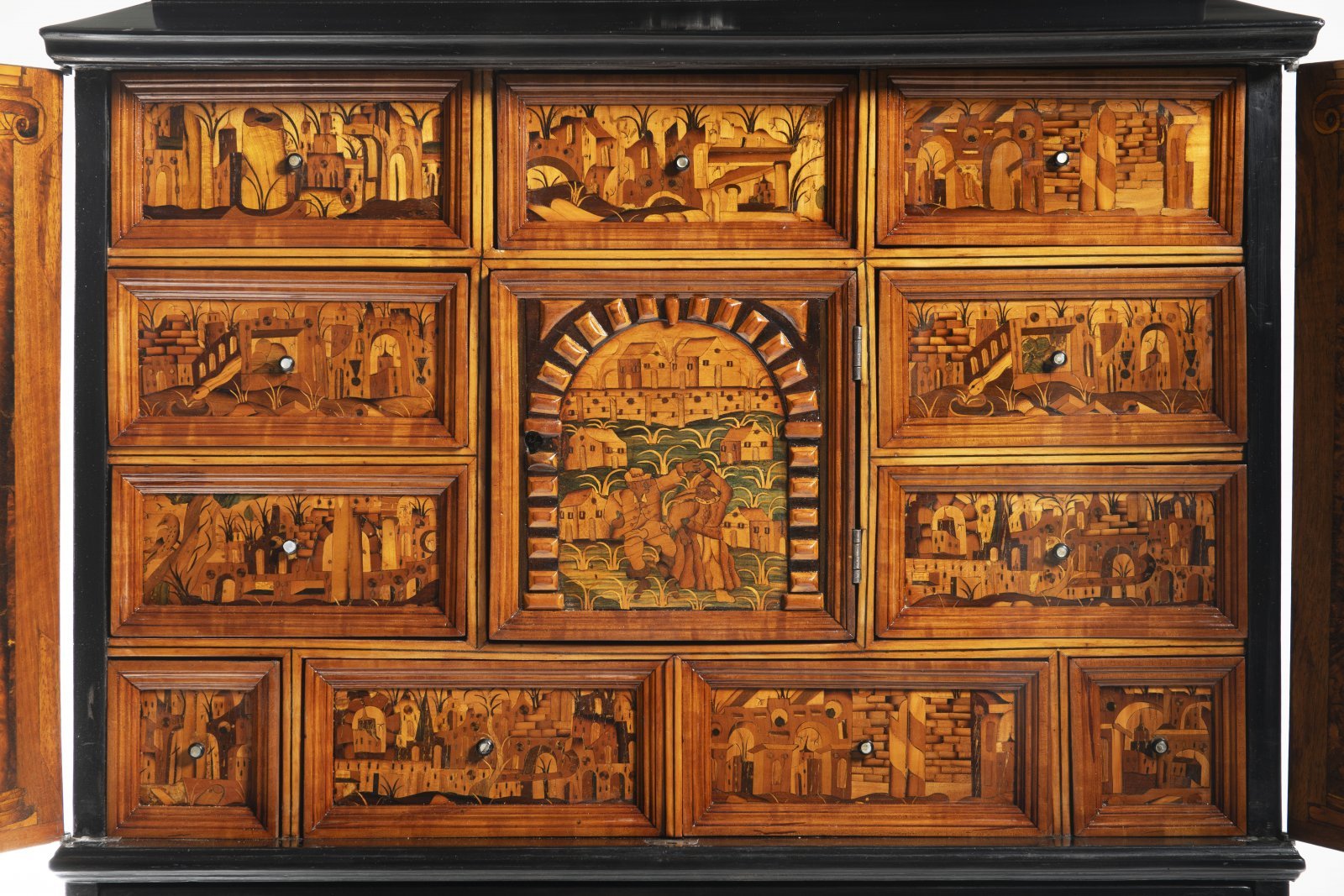
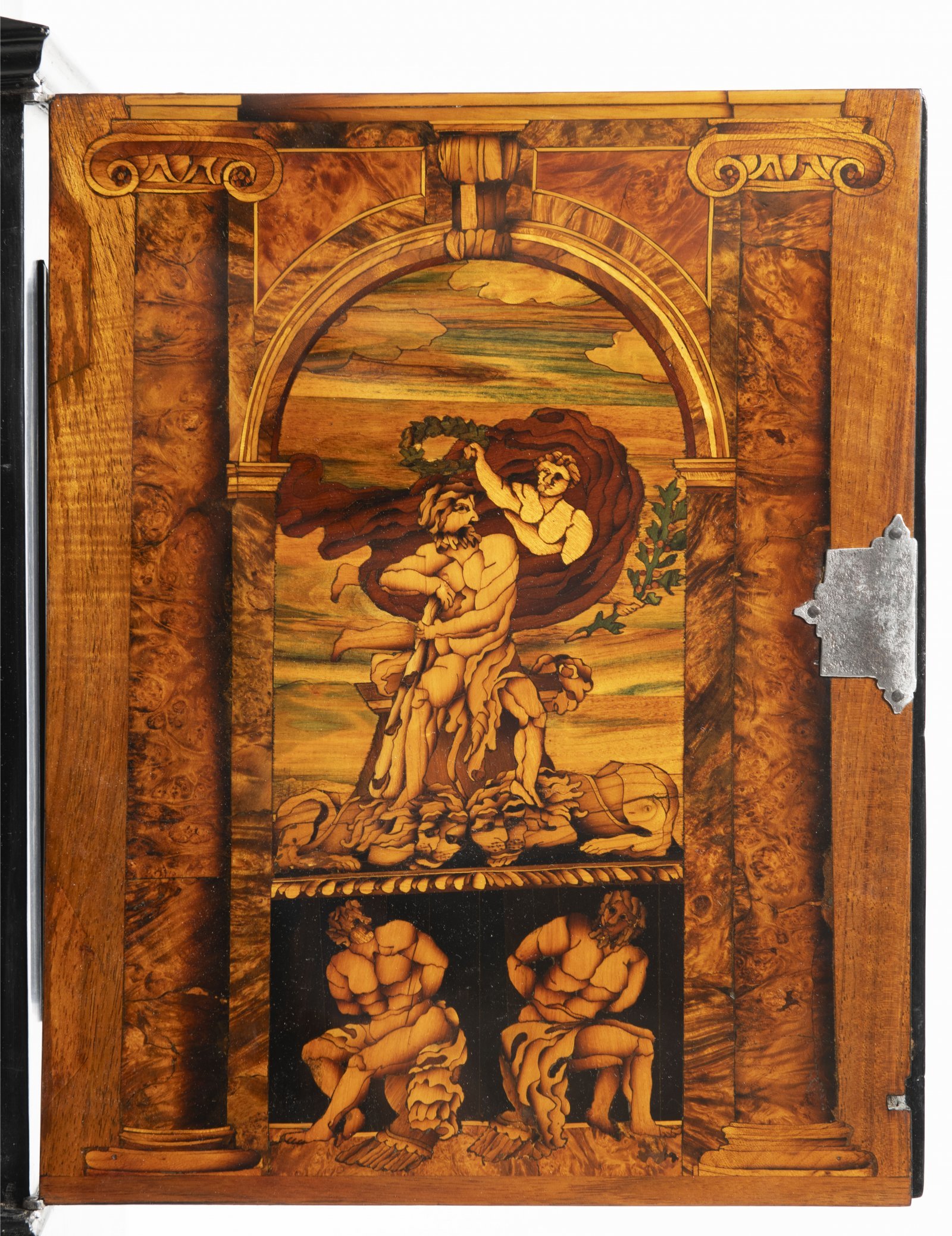
This richly inlaid cabinet perfectly illustrates the art of marquetry, which flourished in southern Germany—particularly in Augsburg—during the second half of the 16th century. The city, already renowned throughout Europe for its production of goldsmith’s items, also benefited from the great variety of local woods necessary for the diversity of inlay designs, leading to the emergence of several cabinetmaking workshops there. These luxurious travel cabinets, known as Schreibschränke, were intended as cabinets of curiosities for wealthy collectors, who displayed objects from all corners of the world within them. They housed specimens of natural wealth in the form of minerals, shells, fossils, dried plants, and stuffed animals. Another part of the collection consisted of man-made objects: tools, clocks, works of art, medals, games, and all manner of curiosities. All these items were stored in drawers, behind small doors, and in countless compartments. The cabinet on offer is distinguished above all by its sophisticated decoration: an ingenious and meticulous assembly of delicate parts made of various types of wood, giving rise to architectural fantasies and imaginary geometric structures that defy the laws of natural perspective; although these decorations appear almost surreal, they can in fact be linked to the Bavarian engraver Lorenz Stöer (1537–1621) and his work *Geometria et perspectiva*, published in Augsburg in 1567. The cabinet on offer makes interesting use of both architectural motifs (ruins, village buildings) and floral motifs ((trees, tufts of grass) and animal motifs (goose heads, a small bird, lions). Figurative motifs appear in the central composition of a dancing couple, likely inspired by Pieter Bruegel’s village scenes, and on the two wings, mythological themes depict the victorious Hercules over bound figures and Athena on the other side with a still life composition featuring armor and weapons. Despite the later installation of drawers into a 19th-century box made of blackened linden wood and signs of restoration in the cabinet on offer, the original inlays hold great historical and aesthetic significance, as they are works of exceptional quality, likely the work of Augsburg inlay artists. Although none of the surviving cabinets of exceptional quality are signed, it is now believed that most of them were created in the workshops of the two most prominent masters working in Augsburg at the time: Bartholomeus Weishaupt and Lienhart Stromaire. Restored.
Andere Auktionsgegenstände
Lot 1 ENTHRONED MADONNA
Rufpreis150 000 CZK | 6 250 EUR
Verkauft
Lot 2 MADONNA
Rufpreis150 000 CZK | 6 250 EUR
Erzielter Preis
280 000 CZK | 11 667 EUR
Lot 3 TRIUMPHANT CHRIST
Rufpreis110 000 CZK | 4 583 EUR
Erzielter Preis
270 000 CZK | 11 250 EUR
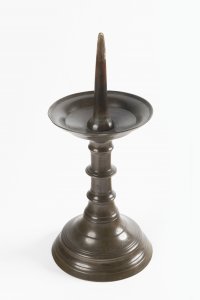
Lot 4 GOTHIC CANDLESTICK
Rufpreis25 000 CZK | 1 042 EUR
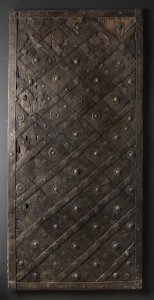
Lot 5 RENAISSANCE DOOR
Rufpreis15 000 CZK | 625 EUR
Erzielter Preis
31 000 CZK | 1 292 EUR
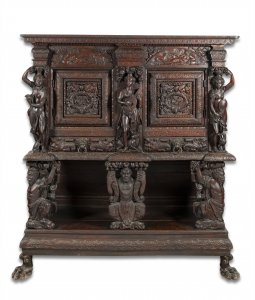
Lot 6 IMPRESSIVE MANNERIST DRESSER
Rufpreis250 000 CZK | 10 417 EUR
Erzielter Preis
340 000 CZK | 14 167 EUR
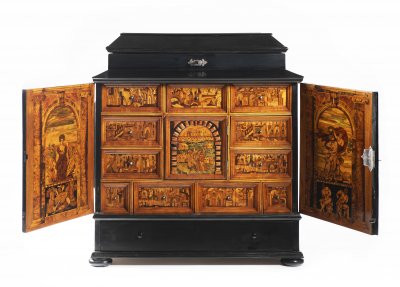
Lot 7 MANNERIST CABINET
Rufpreis75 000 CZK | 3 125 EUR
Erzielter Preis
75 000 CZK | 3 125 EUR
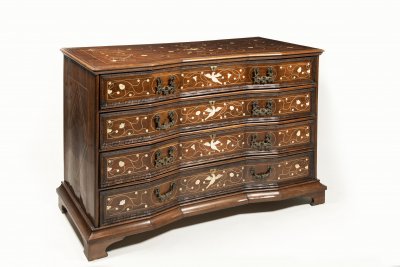
Lot 8 MANNERIST WRITING CHEST OF DRAWERS
Rufpreis75 000 CZK | 3 125 EUR
Erzielter Preis
75 000 CZK | 3 125 EUR
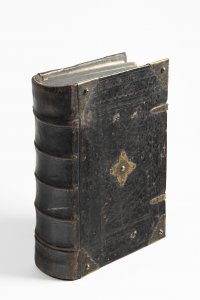
Lot 9 THE PILGRIMAGE OF THE SAINTS
Rufpreis45 000 CZK | 1 875 EUR
Erzielter Preis
65 000 CZK | 2 708 EUR
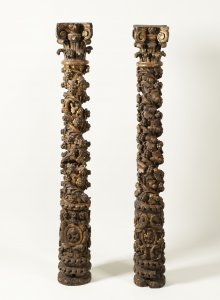
Lot 10 PAIR OF BAROQUE COLUMNS
Rufpreis32 000 CZK | 1 333 EUR
Erzielter Preis
42 000 CZK | 1 750 EUR
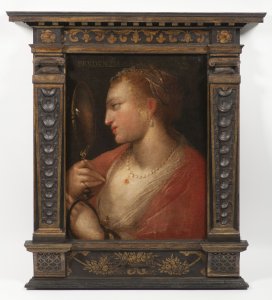
Lot 11 ALLEGORY OF PRUDENCE
Rufpreis65 000 CZK | 2 708 EUR
Erzielter Preis
85 000 CZK | 3 542 EUR
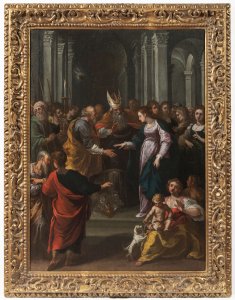
Lot 12 MARRIAGE OF THE VIRGIN
Rufpreis280 000 CZK | 11 667 EUR