


15 000 CZK
| 625 EUR
Lot 220
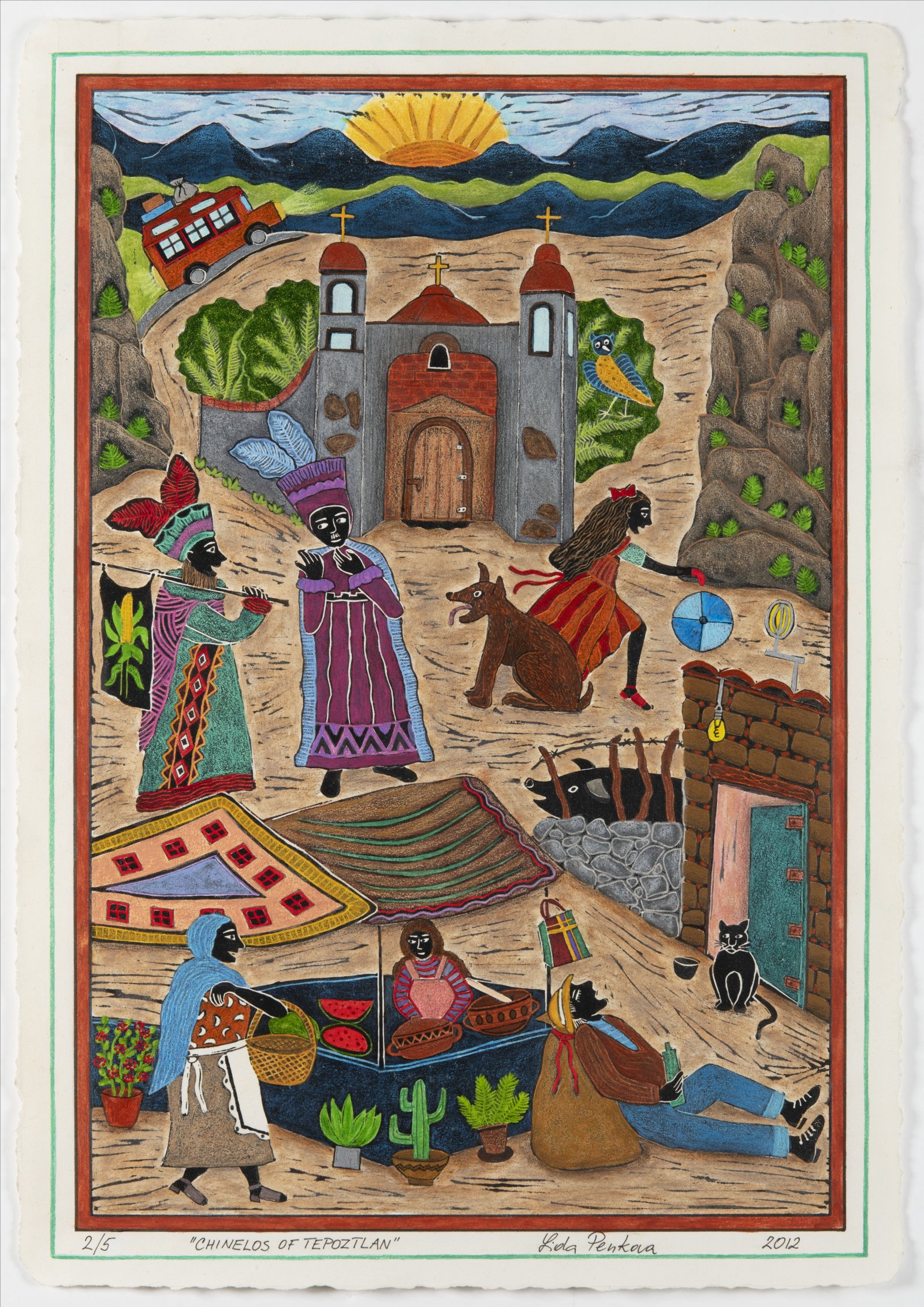
CHINELOS OF TEPOZITLAN
2012
52 x 36 cm (h x b)
Rufpreis
Erzielter Preis
15 000 CZK
| 625 EUR
| 625 EUR
preis ohne Aufpreis
Lída Penková was born in the former Czechoslovakia and lived there until she was twenty, when she emigrated. She began painting as a self-taught artist at the age of fifty-two after moving to the United States. After years of research and therapeutic work, the artist felt a need to express herself creatively, to tell a cultural story, and to create a magical space. Her inspiration came primarily from traveling, her life with her artist husband, and the years she spent in Mexico. This country, rich in symbols, with its festivals, folk celebrations, religious ceremonies, and pre-Hispanic customs, became the foundation of her artistic imagination and aesthetic. In her paintings, primarily of Mexico, myths intertwine with stories told by neighbors, as remembered by their ancestors.
Note of the author: The Chinelos are traditional masked dancers who are central figures in the culture and carnival of the Mexican state of Morelos. Their tradition dates back to the 19th century as a form of satirical protest, mocking the Spanish colonizers and the European elite. Local indigenous and mestizo residents donned masks and costumes to imitate and mock the Europeans’ style of dress and behavior. Their dance is called the “chinela jump” (“El Brinco”). The dancers walk in a procession, rhythmically stomping and hopping to the beat of the music, creating an atmosphere of both joy and defiance. Their richly decorated costumes include a wide hat adorned with beads and feathers and a long tunic embellished with velvet and tassels. Today, the Chinelos are considered an important representation of folk culture, a symbol of the identity of the state of Morelos, and part of Mexico’s rich cultural heritage. (In the painting, the Chinelos are represented by two men in the center of the composition.)
Andere Auktionsgegenstände
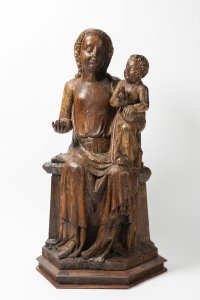
Lot 1 ENTHRONED MADONNA
Rufpreis150 000 CZK | 6 250 EUR
Verkauft
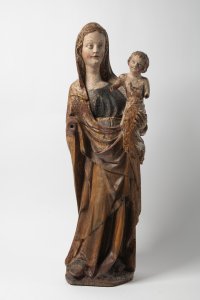
Lot 2 MADONNA
Rufpreis150 000 CZK | 6 250 EUR
Erzielter Preis
280 000 CZK | 11 667 EUR
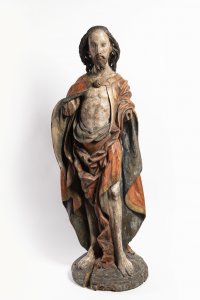
Lot 3 TRIUMPHANT CHRIST
Rufpreis110 000 CZK | 4 583 EUR
Erzielter Preis
270 000 CZK | 11 250 EUR

Lot 4 GOTHIC CANDLESTICK
Rufpreis25 000 CZK | 1 042 EUR
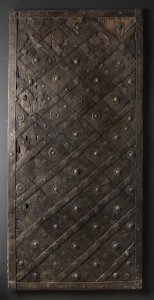
Lot 5 RENAISSANCE DOOR
Rufpreis15 000 CZK | 625 EUR
Erzielter Preis
31 000 CZK | 1 292 EUR
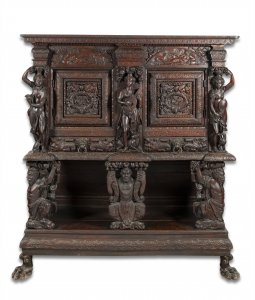
Lot 6 IMPRESSIVE MANNERIST DRESSER
Rufpreis250 000 CZK | 10 417 EUR
Erzielter Preis
340 000 CZK | 14 167 EUR
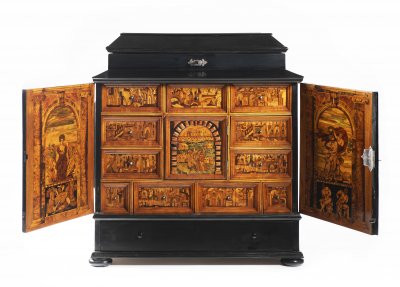
Lot 7 MANNERIST CABINET
Rufpreis75 000 CZK | 3 125 EUR
Erzielter Preis
75 000 CZK | 3 125 EUR
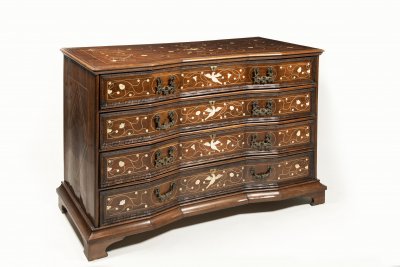
Lot 8 MANNERIST WRITING CHEST OF DRAWERS
Rufpreis75 000 CZK | 3 125 EUR
Erzielter Preis
75 000 CZK | 3 125 EUR
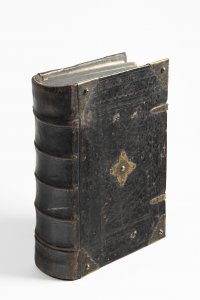
Lot 9 THE PILGRIMAGE OF THE SAINTS
Rufpreis45 000 CZK | 1 875 EUR
Erzielter Preis
65 000 CZK | 2 708 EUR
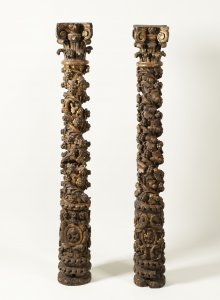
Lot 10 PAIR OF BAROQUE COLUMNS
Rufpreis32 000 CZK | 1 333 EUR
Erzielter Preis
42 000 CZK | 1 750 EUR
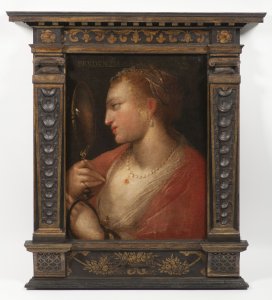
Lot 11 ALLEGORY OF PRUDENCE
Rufpreis65 000 CZK | 2 708 EUR
Erzielter Preis
85 000 CZK | 3 542 EUR
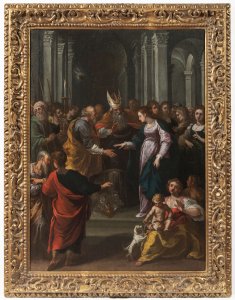
Lot 12 MARRIAGE OF THE VIRGIN
Rufpreis280 000 CZK | 11 667 EUR